
Palliative care

When Is Palliative Care Recommended?

In the journey of life, palliative care is the bridge offering comfort when the road becomes rugged with illness. You might wonder when it’s time to consider walking this path. Typically, it’s recommended for those facing chronic illnesses, life-limiting conditions, or severe symptoms that standard treatment can’t alleviate.


But knowing the exact moment to transition can be challenging. As you navigate these waters, understanding the nuances of when palliative care becomes a beacon of hope could profoundly impact the quality of life.


Let’s explore the signs that indicate it’s time to consider this compassionate approach.


Key Takeaways


– Palliative care is recommended for enhancing the quality of life in serious illnesses.

– It is advisable for managing chronic conditions with a focus on comfort and dignity.

– Ideal for providing multidisciplinary support for life-limiting conditions early on.

– Recommended when severe symptom management and emotional support are needed.


Understanding Palliative Care


At its core, palliative care is about enhancing the quality of life for those facing serious illness, focusing on relief from symptoms, pain, and stress. It’s a compassionate approach that centres around you, ensuring your comfort and dignity throughout your journey. By adhering to care principles that prioritise your well-being, palliative care teams work tirelessly to manage your physical and emotional challenges.


Central to this care model is patient counselling, a vital component that offers you and your loved ones support and guidance. Through counselling, you’re equipped with the tools to navigate the complexities of your condition, making informed decisions about your care. This dialogue fosters an environment where your fears and concerns can be openly discussed, ensuring your voice is heard and respected.


Understanding palliative care means recognizing its role not just in medical treatment but in providing emotional and spiritual support. It’s about creating a space where you feel seen, heard, and cared for, every step of the way. By embracing its principles and engaging in patient counselling, you’re empowered to face your illness with strength and hope.


Chronic Illness Management


Building on the foundation of understanding palliative care, let’s explore how it plays a crucial role in managing chronic illnesses effectively. When you’re living with a chronic illness, the journey can seem daunting. Palliative care steps in as a beacon of hope, prioritising your comfort and quality of life. It’s not just about managing symptoms; it’s about ensuring you feel heard and supported every step of the way.


Patient advocacy is a cornerstone of palliative care. Your care team is dedicated to understanding your needs, preferences, and goals. They’re your voice in the complex world of healthcare, ensuring your wishes are respected and acted upon. This partnership empowers you to make informed decisions about your care, aligning treatments with what matters most to you.


Holistic approaches are integral to managing chronic illnesses. Palliative care looks beyond the physical symptoms, addressing emotional, social, and spiritual needs. It’s a comprehensive strategy that treats you as a whole person, not just a patient. Whether it’s pain management, counselling, or coordinating care among specialists, the aim is to enhance your well-being, helping you to live as fully as possible.


Through patient advocacy and holistic approaches, palliative care provides a supportive framework for managing chronic illnesses, making a profound difference in the lives of those it touches.


Life-Limiting Conditions


When facing life-limiting conditions, you’re not just confronting your mortality; you’re also seeking ways to preserve your quality of life amidst challenging circumstances. It’s a journey that requires not just medical intervention, but also compassionate support and understanding. Palliative care emerges as a beacon of hope, offering a multidisciplinary approach to alleviate suffering and improve the living conditions of those enduring serious health challenges.


Elderly support and patient advocacy are pivotal in navigating this complex landscape. They ensure that care isn’t only about managing symptoms but also about honouring the individual’s preferences and dignity. Palliative care teams work tirelessly to advocate for patients, ensuring that their voices are heard and their choices respected.


In the context of life-limiting conditions, consider the following:


  1. Early integration of palliative care can significantly enhance life quality.
  2. Tailored care plans address both physical and emotional needs.
  3. Elderly support services provide additional layers of comfort and companionship.
  4. Patient advocacy ensures that care decisions align with the individual’s wishes.


Severe Symptom Relief


Understanding the significance of compassionate support and patient advocacy in life-limiting conditions leads us to focus on the critical aspect of severe symptom relief. When you’re facing a complex health journey, managing severe symptoms becomes a pivotal part of maintaining your quality of life. Palliative care teams excel in this area, offering tailored strategies that address both physical discomfort and the emotional challenges that accompany serious illnesses.


Pain management is a cornerstone of severe symptom relief. Your palliative care team will work closely with you to understand the nuances of your pain, employing a variety of techniques to reduce your discomfort. This might include medication, but also incorporates other therapies designed to soothe your body and mind.


Equally important is the emotional support provided by palliative care professionals. They recognize that your well-being isn’t just about managing physical symptoms, but also about nurturing your emotional resilience. Through conversations, counselling, and sometimes just being present, they’ll offer a shoulder to lean on, ensuring you don’t face your challenges alone.


In essence, severe symptom relief in palliative care is about wrapping you in a cocoon of comprehensive care, where your pain is managed and your emotional well-being is prioritised, helping you navigate through your journey with dignity and support.


Transitioning Care Needs


As your health journey evolves, so too will your care needs, requiring a seamless transition to ensure continuous support and comfort. It’s a process that involves clear communication, understanding, and planning, especially as you move towards palliative care. This transition isn’t just a shift in the medical approach but also involves you and your family adapting to new ways of managing care.


Family involvement is crucial during this time. Your loved ones play a significant role in supporting you, both emotionally and in decision-making processes. It’s important for them to be informed and involved every step of the way.


Planning ahead is key, and this is where advanced directives come into play. These are essential tools that communicate your wishes regarding treatment and care. Including:


  1. A living will that specifies your desires for medical treatment.
  2. A healthcare power of attorney that appoints someone to make decisions if you’re unable.
  3. Orders for life-sustaining treatment that outline which interventions you want.
  4. A do-not-resuscitate order if that aligns with your wishes.


Transitioning care needs can be a challenging phase, but with the right preparation and family involvement, it can be managed with dignity and respect.


Frequently Asked Questions


How Does Palliative Care Address the Emotional and Psychological Needs of Patients and Their Families?

Palliative care boosts your emotional resilience through psychological interventions. It provides support, understanding, and counselling to help you and your family navigate the challenges, ensuring everyone’s mental and emotional needs are compassionately addressed.


Can Palliative Care Be Integrated With Curative Treatments, or Must Patients Choose One Over the Other?

You don’t have to choose between palliative care and curative treatments; treatment integration allows for both. Your choice matters, ensuring you receive comprehensive care that respects your wishes and supports your health journey.


Are There Specific Cultural or Religious Considerations That Palliative Care Professionals Take Into Account When Providing Care?

Yes, palliative care professionals consider cultural and religious factors deeply. They undergo cultural training and practise religious sensitivity to ensure your care respects your beliefs and traditions, making the experience as comforting as possible.


How Does the Cost of Palliative Care Compare to Traditional Medical Treatments, and What Financial Support Options Are Available?

Palliative care, a beacon of hope, often costs less than traditional treatments. Insurance coverage varies, but options exist to lessen caregiver burden. Understanding financial support available is key to navigating this life-changing journey.


What Role Do Advance Care Planning and Patient Directives Play in the Palliative Care Process?

You’ll find that advance directives revision and addressing planning misconceptions are crucial in palliative care. They ensure your wishes are respected, clarifying your preferences for care and treatment in advance, making the process smoother.


Conclusion


You might worry that starting palliative care means giving up hope, but it’s quite the opposite. It’s about embracing life more fully by managing symptoms and stress.


Palliative care is recommended for chronic illnesses, life-limiting conditions, or severe symptom relief. It adapts as your needs change, ensuring you and your family receive support at every stage.


Let’s view it as a step towards improved quality of life, allowing you to focus on what matters most.
 

Share:

Facebook
Twitter
Pinterest
LinkedIn
On Key

Related Posts

Cooper House Football Reminiscence Activities Bring Back 1966 World Cup Memories

Cooper House Football Reminiscence Activities Bring Back 1966 World Cup Memories

Football has a remarkable way of bringing people together, creating conversations, and sparking cherished memories across generations. Recently, residents enjoyed a wonderful afternoon as part of Cooper House football reminiscence activities, gathering to watch England’s historic 1966 FIFA World Cup Final. The event was filled with excitement, laughter, and plenty of patriotic spirit, making it a memorable occasion for everyone involved. For many residents, watching the match again was much more than simply revisiting a famous sporting event. It was an opportunity to relive a defining moment in history, recall where they were when England lifted the World Cup, and share personal memories with friends and staff. The afternoon perfectly demonstrated how meaningful reminiscence activities can support wellbeing while bringing people together. Cooper House Football Reminiscence Activities Revisit England’s Greatest Victory The highlight of the day was watching the unforgettable 1966 World Cup Final, the year England famously became world champions. As the match unfolded on screen, many residents became fully immersed in the experience, remembering the excitement that swept across the country all those years ago. One resident, Ken, delighted everyone by providing his own lively commentary throughout the game. As familiar moments appeared on the screen, he enthusiastically spoke about the players and reflected on just how special it was to watch the match again. His memories and stories encouraged others to join in, creating lively conversations filled with nostalgia and smiles. These shared experiences are at the heart of Cooper House football reminiscence activities, helping residents reconnect with treasured moments from their past while enjoying meaningful social interaction. Bringing Nostalgia to Life Through Cooper House Football Reminiscence Activities Reminiscence activities are an important part of life at Cooper House because they encourage conversation, stimulate memories, and strengthen social connections. Football provided the perfect theme for this particular event, allowing residents to revisit one of Britain’s most iconic sporting achievements. As the match continued, residents shared stories of watching the original final with family and friends, discussing favourite players and recalling the excitement that filled homes and communities in 1966. These conversations created a warm and welcoming atmosphere, with everyone enjoying the chance to celebrate together. Watching historic sporting events can also help stimulate cognitive engagement while encouraging residents to express personal memories and experiences. At Cooper House football reminiscence activities, these opportunities help promote confidence, communication, and emotional wellbeing. Half-Time Treats and Plenty of England Spirit The football-themed afternoon wouldn’t have been complete without refreshments. During half-time, residents and staff enjoyed delicious hot dogs and slices of cake while chatting about the match and sharing predictions for the second half. To add even more fun to the celebration, everyone proudly wore England-themed temporary tattoos. The patriotic decorations and cheerful atmosphere helped recreate the excitement of match day, with residents fully embracing the occasion. There were smiles all around as staff and residents encouraged one another, celebrated memorable moments from the game, and proudly cheered on England together. The combination of good food, great company, and football nostalgia made the afternoon even more enjoyable. Cooper House Football Reminiscence Activities Support Wellbeing and Connection Events like these highlight how themed activities can positively impact residents’ wellbeing. At Cooper House football reminiscence activities, the focus is not only on entertainment but also on creating meaningful experiences that encourage social interaction, emotional connection, and cognitive stimulation. Sharing memories through familiar events helps residents remain connected to important moments from their lives while strengthening friendships within the home. The relaxed environment also encourages conversation, laughter, and participation, ensuring everyone feels included regardless of their level of football knowledge. Activities centred around shared interests often become some of the most memorable experiences, bringing together residents, staff, and visitors through common passions and treasured memories. Looking Forward to More Memorable Celebrations The success of the football afternoon has everyone looking forward to future themed events at Cooper House. Whether celebrating national occasions, enjoying live entertainment, or revisiting historic sporting moments, every activity is thoughtfully planned to create opportunities for fun, friendship, and meaningful engagement. The 1966 World Cup Final may have taken place decades ago, but its ability to unite people remains just as powerful today. Through Cooper House football reminiscence activities, residents were able to relive an unforgettable chapter of sporting history while creating brand-new memories together. As the afternoon drew to a close, there was one message everyone could agree on: Come on, England! To stay updated with more stories and updates, follow us on Cooper House Care Home Facebook Page Here. For Learn more about us, head over to our Website Here.

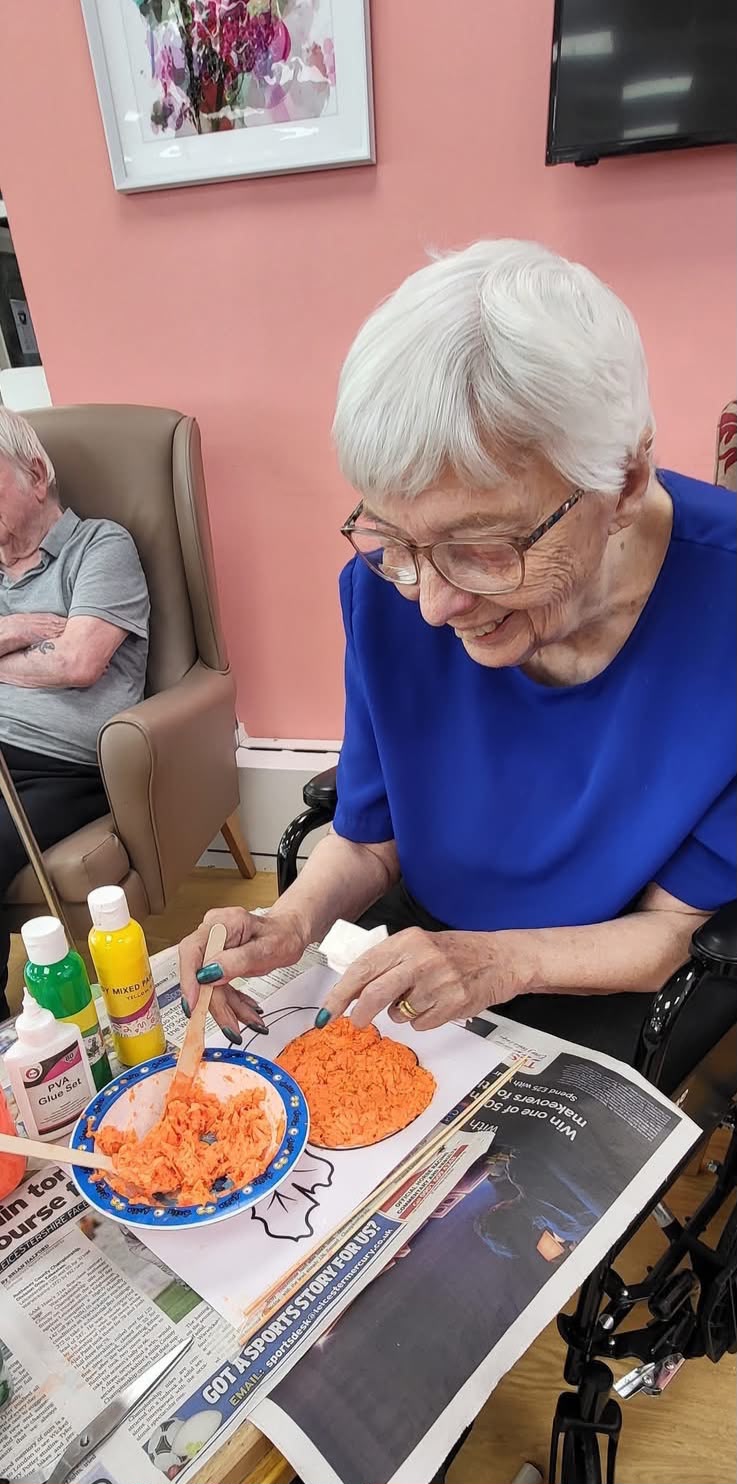
Residents enjoyed Huntingdon Court Residential Home creative activities, including colouring and animal-themed crafts inspired by the RSPCA.

Huntingdon Court Residential Home Creative Activities Bring Residents Together

Creativity has a wonderful way of bringing people together, encouraging self-expression, and creating moments of joy. Recently, residents enjoyed a relaxing and engaging morning filled with arts and crafts as part of the ongoing Huntingdon Court Residential Home creative activities programme. The session focused on animal-themed projects inspired by the RSPCA, giving residents the opportunity to explore their artistic side while enjoying meaningful social interaction. From colouring in favourite animal pictures to creating colourful tissue paper designs, the activity sparked creativity and plenty of conversation throughout the home. How Huntingdon Court Residential Home Creative Activities Encourage Self-Expression At Huntingdon Court Residential Home creative activities, residents are encouraged to take part in a wide range of engaging experiences that support wellbeing and personal interests. Creative activities are particularly popular because they allow residents to express themselves in their own unique way. During the session, some residents chose to spend time colouring in animal pictures, carefully selecting colours and adding their own artistic touches. Others enjoyed a hands-on craft activity, sticking colourful tissue paper onto animal templates to create vibrant and eye-catching designs. The beauty of creative activities is that there is no right or wrong approach. Each resident was able to work at their own pace and create something personal, making the experience both enjoyable and rewarding. Animal-Themed Crafts Bring Creativity to Life The animal-themed focus of the morning added an extra element of enjoyment to the Huntingdon Court Residential Home creative activities session. Residents enjoyed choosing their favourite animals and bringing them to life through colour and craft. The activity sparked many conversations about pets, wildlife, and favourite animals from throughout residents’ lives. These discussions helped create a warm and friendly atmosphere while encouraging social interaction and shared memories. As tissue paper was carefully placed and colouring pages gradually filled with bright shades, residents took pride in their work and enjoyed seeing each project come together. The finished creations were full of personality and reflected the creativity of everyone involved. The Wellbeing Benefits of Huntingdon Court Residential Home Creative Activities Creative activities offer many benefits beyond simply producing artwork. At Huntingdon Court Residential Home creative activities, arts and crafts sessions are designed to support emotional wellbeing, social connection, and cognitive engagement. Colouring and crafting can be calming and relaxing, helping residents focus on the present moment while enjoying a peaceful activity. At the same time, these activities encourage concentration, coordination, and decision-making through choosing colours, arranging materials, and completing projects. Importantly, creative sessions also provide valuable opportunities for social interaction. Residents naturally engage in conversation while working alongside one another, sharing ideas, encouraging each other, and celebrating finished pieces together. Bringing Residents Together Through Shared Activities One of the most rewarding aspects of the morning was seeing how the Huntingdon Court Residential Home creative activities brought residents together. The room was filled with friendly conversation, laughter, and mutual encouragement as everyone worked on their chosen projects. Activities like these help foster a strong sense of community within the home. Residents enjoy spending time together, learning about one another’s interests, and sharing experiences that create lasting memories. The relaxed and welcoming atmosphere allowed everyone to participate in a way that suited them, ensuring that each resident felt included and valued. Creating Meaningful Moments at Huntingdon Court Residential Home At Huntingdon Court Residential Home creative activities, the focus is always on creating enjoyable and meaningful experiences that enrich residents’ daily lives. Whether through colouring, crafts, music, games, or themed activities, every session is designed to support wellbeing while encouraging engagement and connection. The recent animal-themed arts and crafts morning was a wonderful success, providing residents with an opportunity to be creative, social, and expressive. The colourful creations produced throughout the session were a reflection of both the talent and enthusiasm of those taking part. As the activity came to an end, residents proudly admired their finished work and looked forward to future creative sessions. It was another enjoyable example of how Huntingdon Court Residential Home creative activities continue to bring residents together, inspire creativity, and create moments of happiness every day. To stay updated with more stories and updates, follow us on Huntingdon House Care Home Facebook Page Here. For Learn more about us, head over to our Website Here.

Residents enjoyed Tillson House Care Home Gardening Activities, planting flowers, brightening outdoor spaces, and spending time together outdoors.

Tillson House Care Home Gardening Activities Bring Residents Together Outdoors

There is something truly special about spending time outdoors, enjoying fresh air, and watching nature flourish. Recently, residents took part in Tillson House Care Home Gardening Activities, enjoying a wonderful day of gardening and planting that brought both colour and joy to the home’s outdoor spaces. The activity provided an opportunity for residents to get their hands dirty, enjoy meaningful conversation, and contribute to creating beautiful surroundings for everyone to enjoy. From planting flowers to tending to garden areas, the day was filled with smiles, teamwork, and a shared sense of achievement. How Tillson House Care Home Gardening Activities Support Wellbeing At Tillson House Care Home Gardening Activities, residents are encouraged to participate in activities that promote both physical and emotional wellbeing. Gardening is a fantastic example of an activity that offers benefits on many levels. Spending time outdoors allows residents to enjoy fresh air and sunshine, which can help boost mood and overall wellbeing. In addition, gardening encourages gentle physical movement through activities such as planting, watering, and arranging flowers. Many residents found the experience both relaxing and rewarding. The simple act of caring for plants and watching them grow can provide a sense of purpose and accomplishment. As a result, gardening continues to be one of the most popular outdoor activities at Tillson House Care Home Gardening Activities.   Residents Work Together to Brighten Outdoor Spaces One of the highlights of the day was seeing residents work together to enhance the home’s outdoor areas. During Tillson House Care Home Gardening Activities, residents enjoyed planting flowers and adding colour to the gardens, helping create welcoming spaces that can be enjoyed by everyone. The activity encouraged teamwork and conversation, with residents sharing gardening tips, discussing favourite flowers, and reminiscing about gardens they had cared for in the past. These conversations sparked happy memories and helped strengthen connections between residents. Furthermore, gardening provides a wonderful opportunity for creativity. Residents enjoyed choosing plants, arranging displays, and contributing their own ideas to make the outdoor spaces look their best. Fresh Air, Friendship, and Fun At Tillson House Care Home Gardening Activities, the benefits of gardening go beyond the plants themselves. The activity also creates valuable opportunities for social interaction and companionship. Residents spent time chatting, laughing, and supporting one another throughout the session. The relaxed outdoor setting encouraged natural conversation and helped create a positive and uplifting atmosphere. In addition, being surrounded by nature can have a calming effect. Many residents commented on how peaceful it felt to spend time outdoors while enjoying the sights and sounds of the garden. These moments of relaxation are an important part of maintaining wellbeing and promoting a positive outlook. The Lasting Benefits of Gardening Gardening offers lasting benefits that continue long after the activity has finished. Through Tillson House Care Home Gardening Activities, residents not only enjoyed the experience itself but also have the opportunity to watch the plants grow and flourish over time. Seeing the results of their hard work brings a sense of pride and ownership. Every flower that blooms serves as a reminder of the enjoyable day spent together and the contribution residents have made to the home’s environment. Activities like this also help residents stay connected to hobbies and interests they may have enjoyed throughout their lives. For many, gardening is a familiar and comforting pastime that brings back positive memories while creating new ones. Creating Meaningful Experiences at Tillson House At Tillson House Care Home Gardening Activities, creating meaningful and enjoyable experiences for residents is always a priority. Gardening provides the perfect combination of physical activity, social interaction, creativity, and relaxation. The recent gardening session was a wonderful example of how simple activities can have a big impact. Residents enjoyed spending time outdoors, working together, and enhancing the beauty of the home’s gardens. As the day came to a close, there was a real sense of satisfaction and achievement among everyone involved. The smiles, conversations, and colourful new plantings were a reflection of a day well spent. We look forward to many more Tillson House Care Home Gardening Activities in the future, helping residents continue to enjoy the benefits of nature, friendship, and shared experiences. To stay updated with more stories and updates, follow us on Tillson House Facebook Page For Learn more about us, head over to our Website Here.